

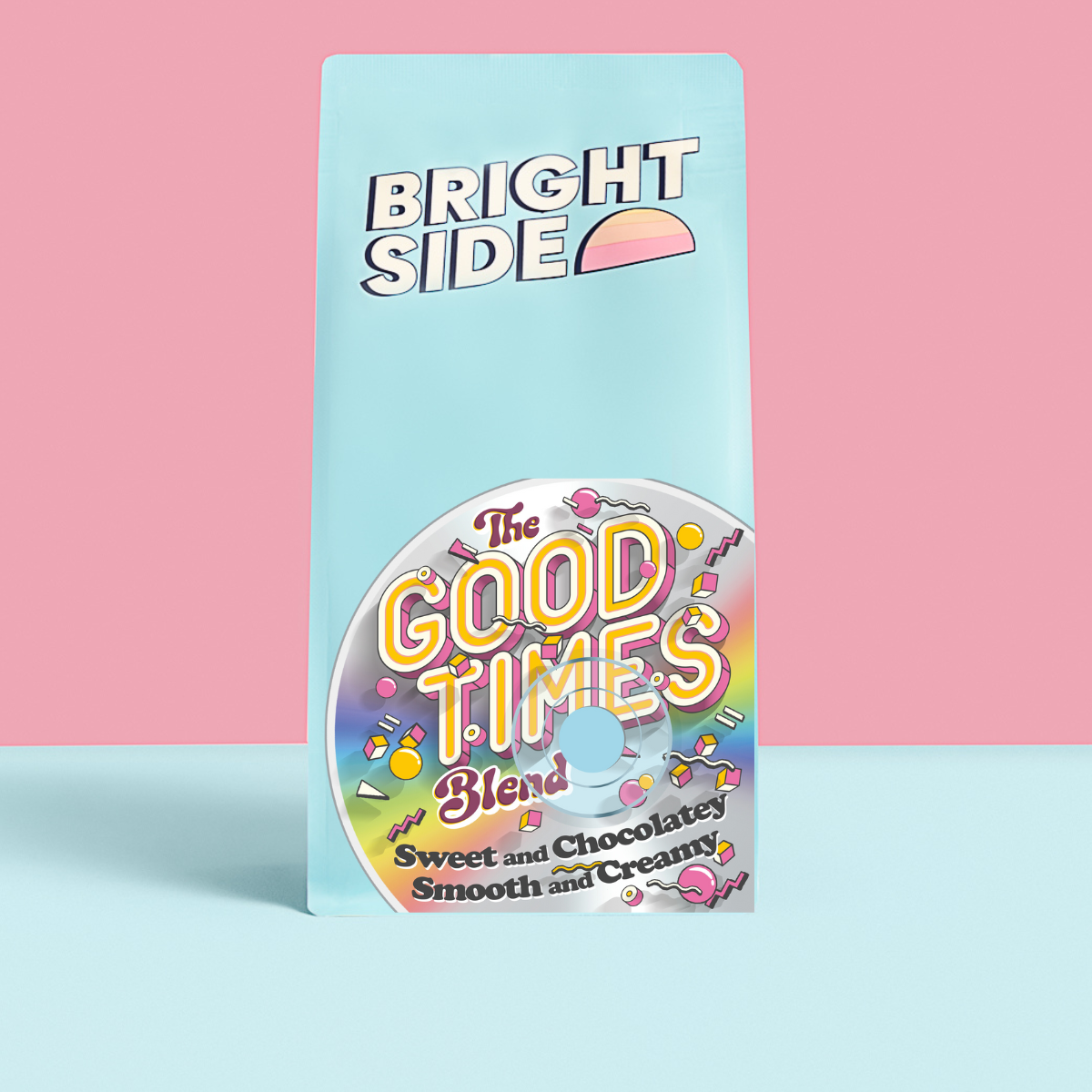




Brazil, Bom Jardim Gesha, Espresso Roast
Brown Sugar & Peach
$25.00
Sale price
$17.50
Regular price
$25.00
Save $7.50
- Freshly roasted daily
- Ships same day before 11am AWST
- Free shipping over $75
- Not loving it? We'll replace or refund
Coffee calculator How much coffee do I need?
Suggested:
Shipping information
Brightside Guarantee

How it tastes
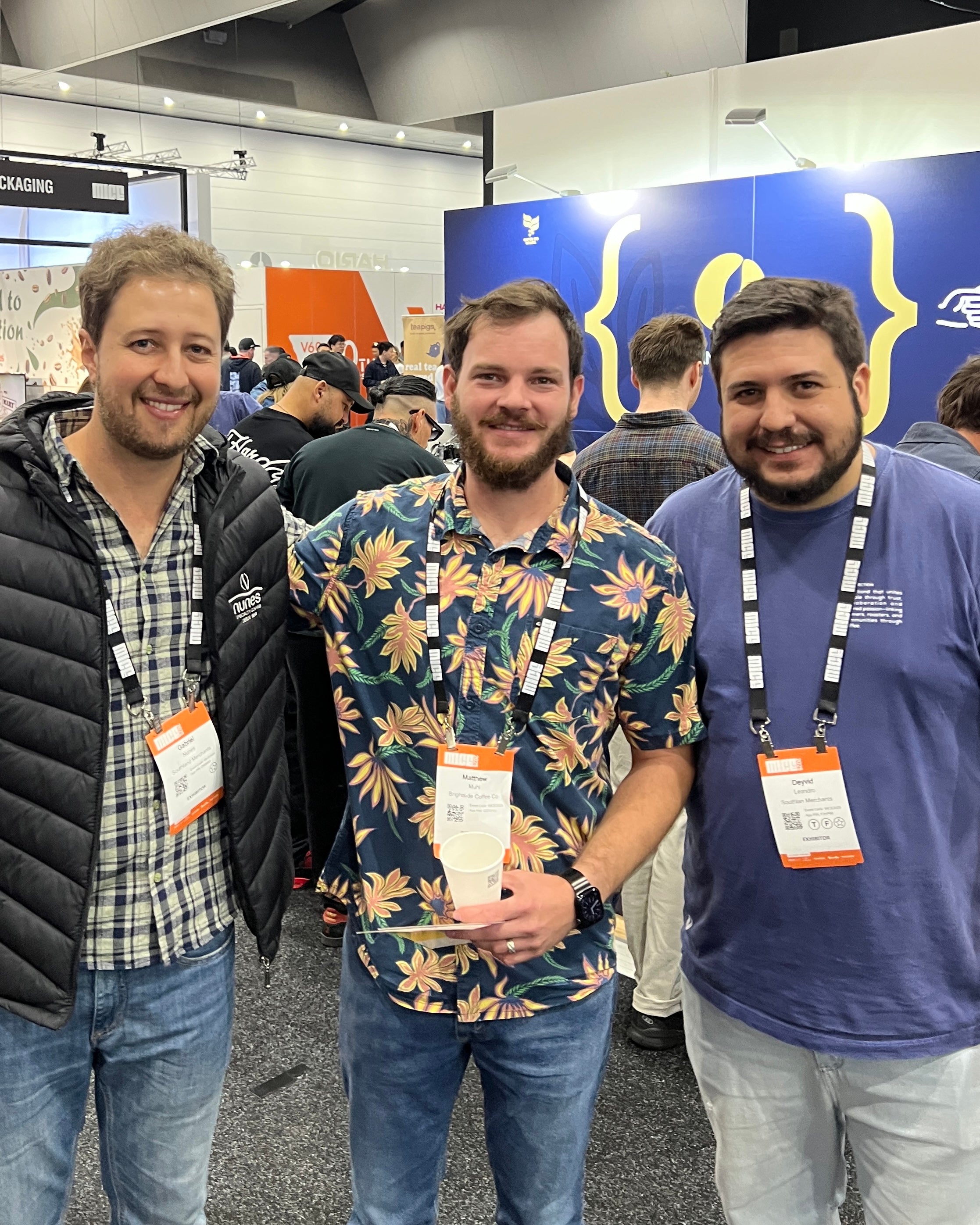
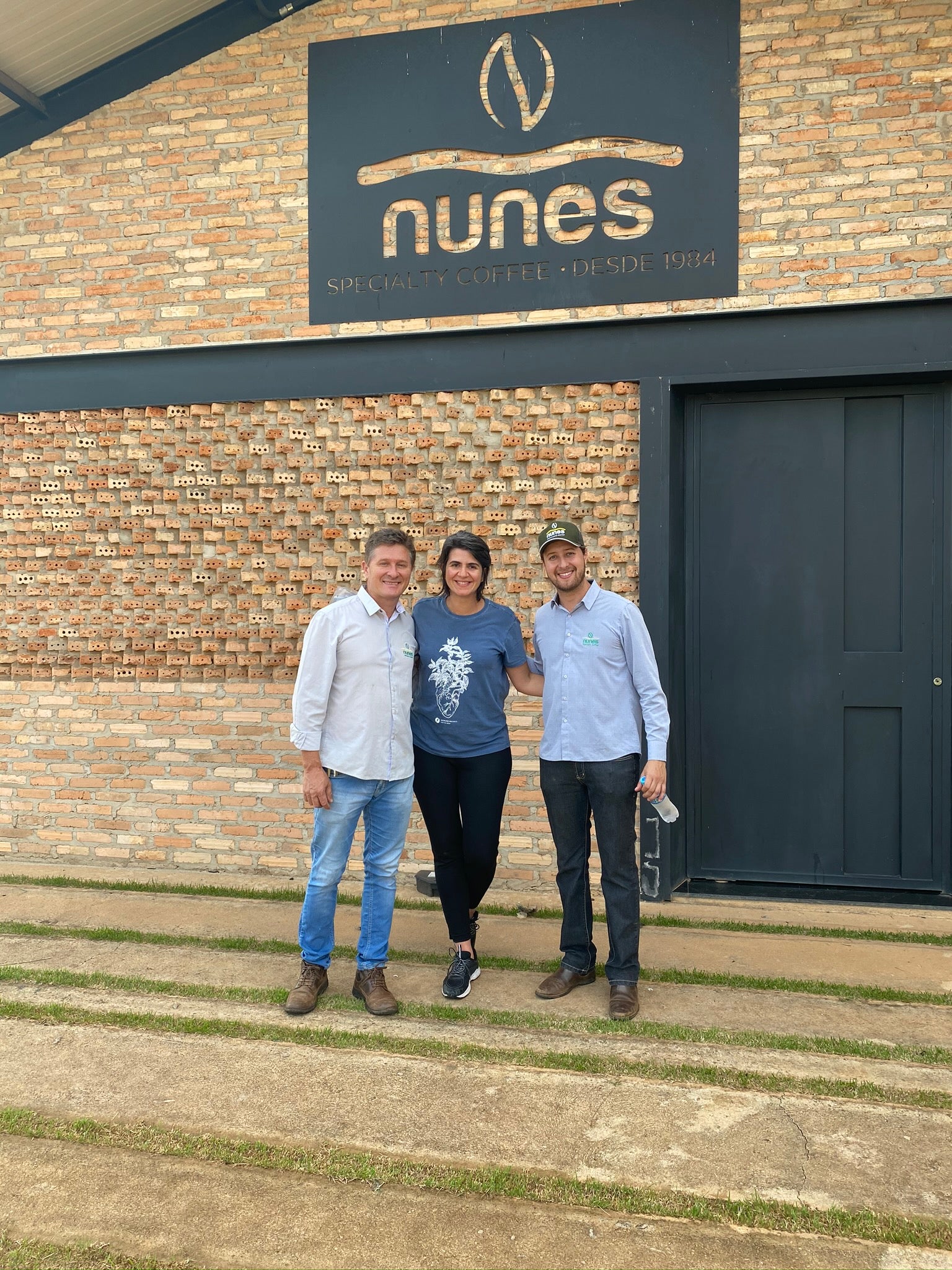
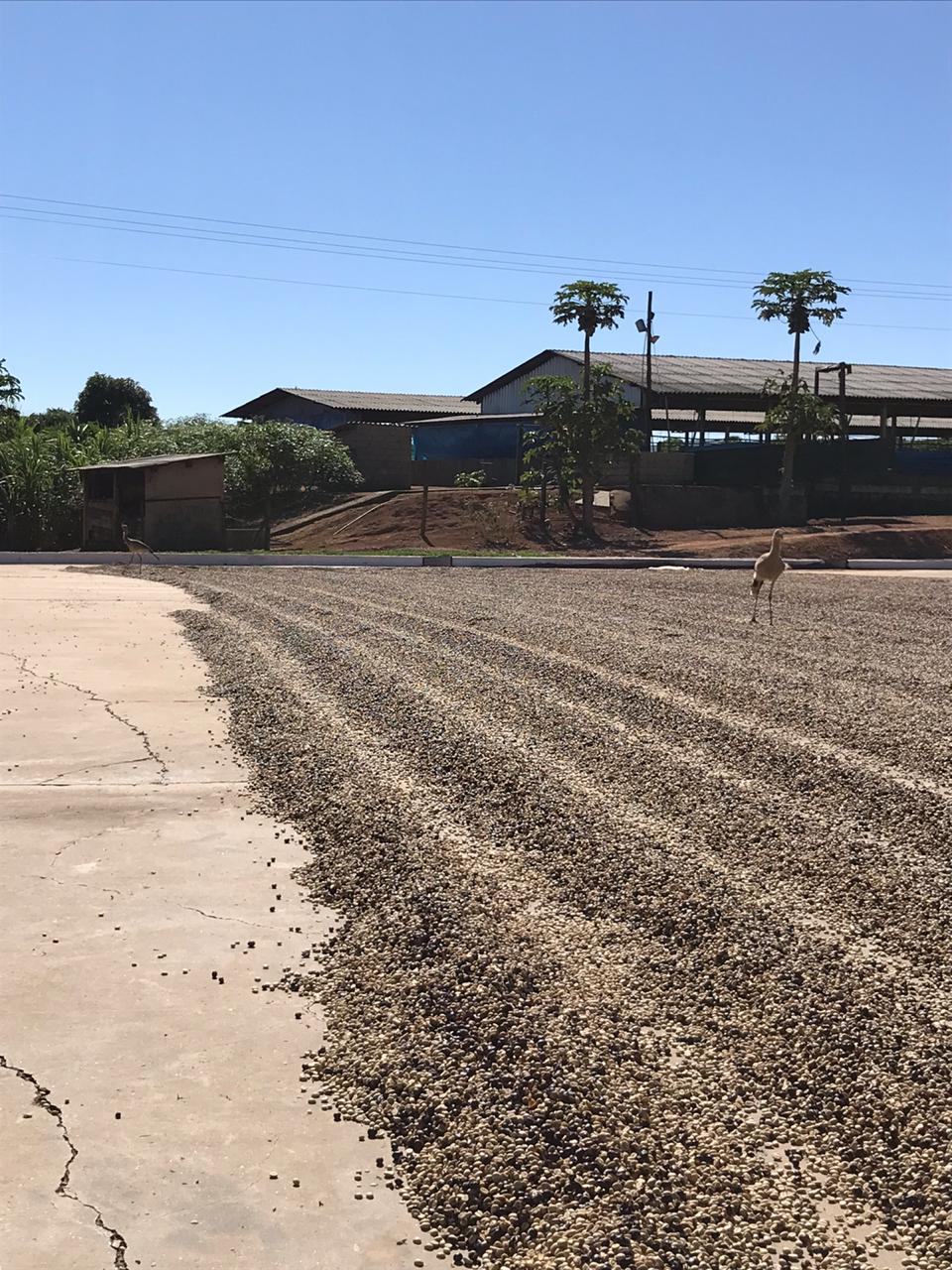
Brown sugar sweetness and ripe peach, from a Gesha lot grown by Gabriel Nunes at Bom Jardim farm in Brazil’s Cerrado Mineiro and processed as an aerobic ferment natural. It’s the same lot as our filter roast, roasted a little further for espresso and best pulled long and a touch cooler for a sweet, juicy shot. Our sixth coffee from Gabriel and the Nunes family, one of our favourite producers to work with.
Coffee facts
- Producer
- Gabriel Nunes
- Region
- Cerrado Mineiro, Minas Gerais
- Altitude
- 1,100–1,250m
- Process
- Aerobic Ferment Natural
- Variety
- Gesha
- Harvest
- May–August
- Imported by
- Southland Merchants
- Peak flavour
- 1–2 weeks post-roast
Brightside Brew Guide
Espresso, one double shot
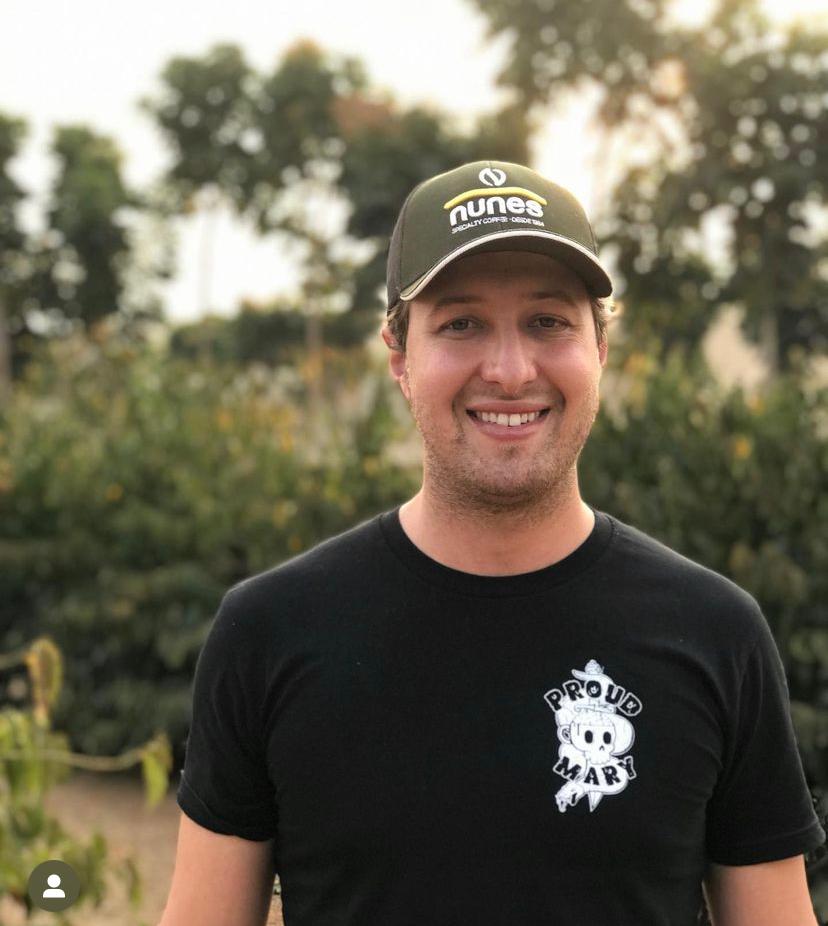
About Gabriel Nunes

More single origins



Single-O-FAQ
-
How much coffee can I make per bag size?
Roughly speaking, this is how much coffee you can get out of a bag of Brightside:
1kg Bag
Espresso: 50 double shots
Filter coffee: 60 x 250ml
Plunger Coffee: 33 x 500ml
500g Bag
Espresso: 25 double shots
Filter coffee: 30 x 250ml
Plunger Coffee: 16 x 500ml
250g Bag
Espresso: 13 double shots
Filter coffee: 15 x 250ml
Plunger Coffee: 8 x 500ml
-
How do blends compare to single-origin coffee?
Blends are available year-round with a smooth, balanced taste, while single-origin coffees highlight unique regional flavours and change with the seasons.
-
What is a Single Origin?
Our single origin coffees are from single estates, regions or producers. It allows a more defined and specific flavour and characteristic of coffee to shine.
-
What does the processing method mean?
After harvesting, coffee undergoes a fermentation process, which shapes its flavor.
- Washed (Wet) Process: The fruit is removed early, and the beans are washed and fermented in tanks for a clean taste.
- Natural (Dry) Process: Whole cherries dry in the sun for weeks, creating fruity, complex flavors.
- Other Methods: Hybrid techniques like honey processing and modern yeast fermentation add unique twists.
-
What does Varietal mean?
Coffee trees come in many shapes and sizes, with characteristics adapted to the local climate, growing conditions and sometimes selectively bred in labs. These are called Varietals, and they can paint a picture of the coffee before you even taste it!
-
What does elevation mean?
Elevation is the altitude the coffee grew at. Higher doesn’t always mean better, but denser coffees usually come from higher altitudes. Denser coffees have higher concentrations of nutrients, which affects the roasting and brewing process.
-
What are Tasting Notes?
The taste or tasting notes are what we all came here for. The unique flavour profile of every coffee is exciting. We want our tasting notes to reflect the coffee but also be inclusive and easy to understand. For green coffees, we supply the sourcing partner cupping and tasting notes, but for our roasted coffees we taste them and describe them ourselves, as roasting style has a big impact on the expression of the flavours in the cup.
-
What are sourcing partners?
We rely on incredible, responsible and quality driven sourcing partners to broker coffees on our behalf in the market, and we want to honour that relationship by sharing their story and how it aligns with ours.
-
How much coffee can I make per bag size?
Roughly speaking, this is how much coffee you can get out of a bag of Brightside:
1kg Bag
Espresso: 50 double shots
Filter coffee: 60 x 250ml
Plunger Coffee: 33 x 500ml
500g Bag
Espresso: 25 double shots
Filter coffee: 30 x 250ml
Plunger Coffee: 16 x 500ml
250g Bag
Espresso: 13 double shots
Filter coffee: 15 x 250ml
Plunger Coffee: 8 x 500ml
-
What is a Single Origin?
Our single origin coffees are from single estates, regions or producers. It allows a more defined and specific flavour and characteristic of coffee to shine.
-
What does Varietal mean?
Coffee trees come in many shapes and sizes, with characteristics adapted to the local climate, growing conditions and sometimes selectively bred in labs. These are called Varietals, and they can paint a picture of the coffee before you even taste it!
-
What are Tasting Notes?
The taste or tasting notes are what we all came here for. The unique flavour profile of every coffee is exciting. We want our tasting notes to reflect the coffee but also be inclusive and easy to understand. For green coffees, we supply the sourcing partner cupping and tasting notes, but for our roasted coffees we taste them and describe them ourselves, as roasting style has a big impact on the expression of the flavours in the cup.
-
How do blends compare to single-origin coffee?
Blends are available year-round with a smooth, balanced taste, while single-origin coffees highlight unique regional flavours and change with the seasons.
-
What does the processing method mean?
After harvesting, coffee undergoes a fermentation process, which shapes its flavor.
- Washed (Wet) Process: The fruit is removed early, and the beans are washed and fermented in tanks for a clean taste.
- Natural (Dry) Process: Whole cherries dry in the sun for weeks, creating fruity, complex flavors.
- Other Methods: Hybrid techniques like honey processing and modern yeast fermentation add unique twists.
-
What does elevation mean?
Elevation is the altitude the coffee grew at. Higher doesn’t always mean better, but denser coffees usually come from higher altitudes. Denser coffees have higher concentrations of nutrients, which affects the roasting and brewing process.
-
What are sourcing partners?
We rely on incredible, responsible and quality driven sourcing partners to broker coffees on our behalf in the market, and we want to honour that relationship by sharing their story and how it aligns with ours.


